‘Ice Age casino’: New study identifies 12,900-year-old Native American dice
Indian Express·2h ago·Neutral
What Happened
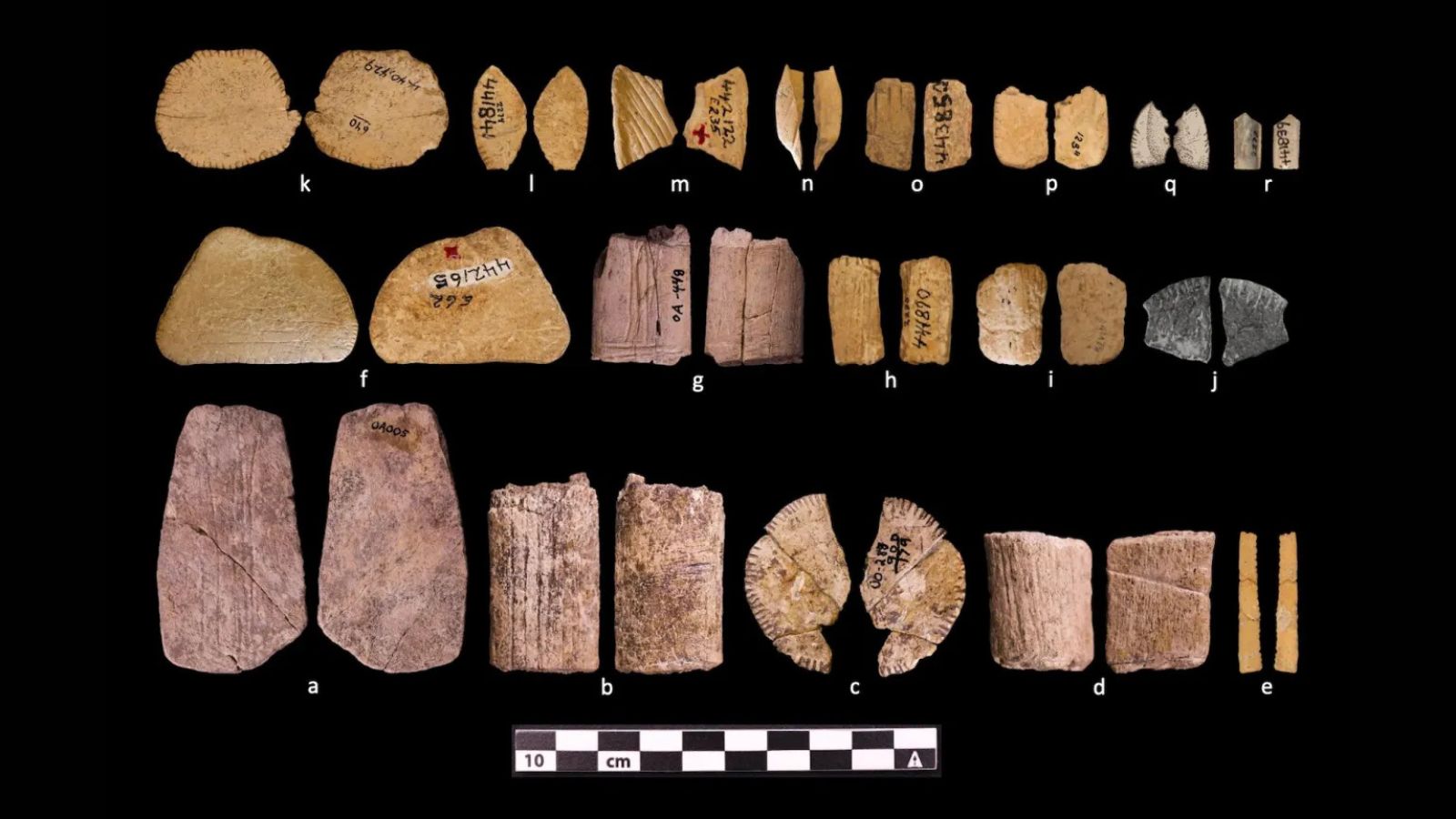
Archaeological research published in American Antiquity identifies dice used by Native American hunters 12,800 to 12,200 years ago. Led by Robert Madden at Colorado State University, the study found bone gaming pieces at Folsom-period sites in Wyoming, Colorado, and New Mexico. These artifacts predate Old World dice by over 6,000 years. The simple two-sided pieces, called binary lots, were deliberately designed to produce random outcomes in structured games during the Late Pleistocene.
Key Entities
Robert J MaddenColorado State UniversityAmerican Antiquity journalNative AmericansFolsom-period sitesWyomingColoradoNew MexicoSmithsonian Institution